

Welcome to the new Workshop Blog!
We are proudly starting the blog by sharing a large project, the Unearthed Interactives, that we in the Workshop worked on for an extended amount of time, during 2025 and early 2026.
Watch the ‘Making of’ video below.
…
Unearthed: Interactives │ Created in the Museum of Making Workshop
The video gives an insight into the huge range of materials and processes we employed, all of which can be achieved in the Workshop.
Here’s a list of the interactives with a very brief description of each.
- Spearhead cast in bronze, replicating a Bronze age example from the museum collection
- Pot Puzzle with magnetic Jesmonite pieces on a rotating mount
- Coins that were 3D scanned, enlarged, printed and then cast in bronze in bespoke mounts
- 9 Nine Men’s Morris boardgame made from jointed beech wood with CNC routed details and ceramic counters
- Mammoth Tooth replica cast in Jesmonite, using silicone moulds, mounted on knurled mounting rods
- Glacial Map Puzzle in layered acrylic pieces in a staggered wood mount
- Log boat seat constructed from CNC cut wood, with metal worked handrails
Some of the processes were new to us, and it was a joy to learn whilst working on them, interacting with items with such rich history. We are really pleased with the items we made for Unearthed. It’s a forward thinking, playful exhibition and we encourage all to experience it. Over the coming months, we are going to highlight some of the interactives and give further insight into our making process.
The Spearhead interactive | Bronze casting process

Here’s a more in-depth breakdown of the steps we took for our bronze casting for the Unearthed interactives. We went through many iterations, tried different layouts of working and trialled with other metals such as Aluminium.


We started with 3D printed resin copies of items from the collection. The items had been recreated via photogrammetry. We used these items as patterns for making a copy in sand moulds.


The sand contains the liquid metal and holds its shape when making a copy. The sand is prepped, ensuring moisture level is ideal and then is rammed up in the flasks, which in this case is a wooden frame. The item essentially makes an imprint into the sand. You then need to make runners and risers, to control the flow of metal and so you can see whether the mould has been filled.

Then once the mould was ready, we fired up the crucible to melt the Bronze from an ingot to liquid, ready for pouring. Over the course of trials, we made extra tools to help with the casting and developed new techniques to reduce heat loss. Bronze requires a much higher temperature to melt, around 1000°C!


Once the Bronze is hot enough and flowing, we poured the molten metal into the smaller crucible, and then into the sand casts. After waiting for it to cool down, we opened the flasks, removed the sand, and checked to see whether we had success. There are so many variables during the process and not every cast is perfect. The final step is cleaning the metal, filing any unwanted shapes and polishing it ready for people to interact with the item. Once the Spearhead was done, we tapped threads into it that we then used to securely mount it onto a prepared plywood base.

We had plenty of pours that were not ideal, but this is part of learning! We think the final product came out great and we are thrilled that we are enabling visitors to engage further with an object made 4000+ years ago.
Thank you for reading our first blog. See you from the Workshop next month!
Updates & Information
We are opening the Workshop on selected Saturdays to Makers!
Every second Saturday of the month.
Upcoming Maker Saturdays:
May 9th
June 13th
July 11th
August 8th
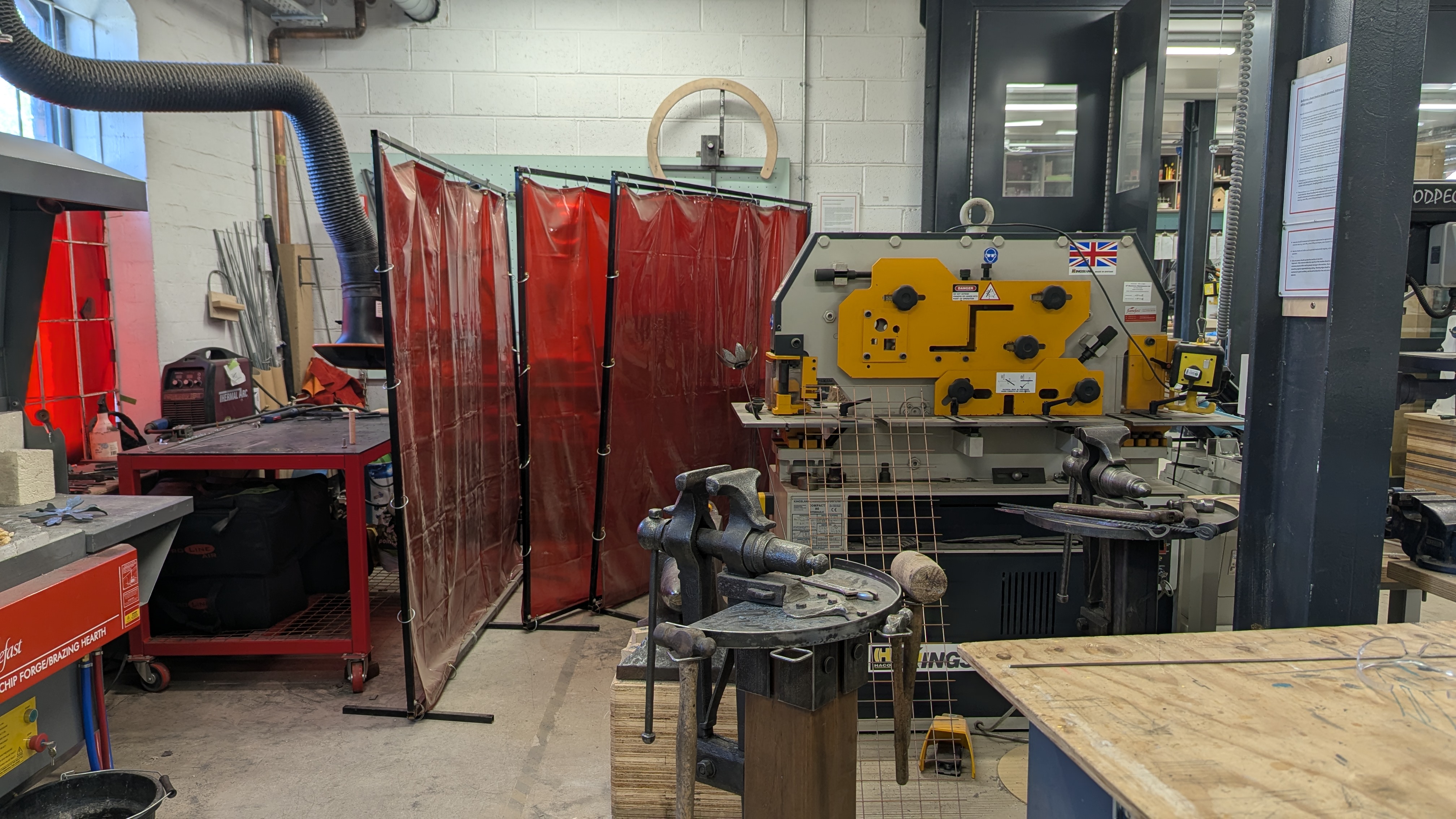
Want to find out more about the Workshop?
Public Workshop at The Museum of Making
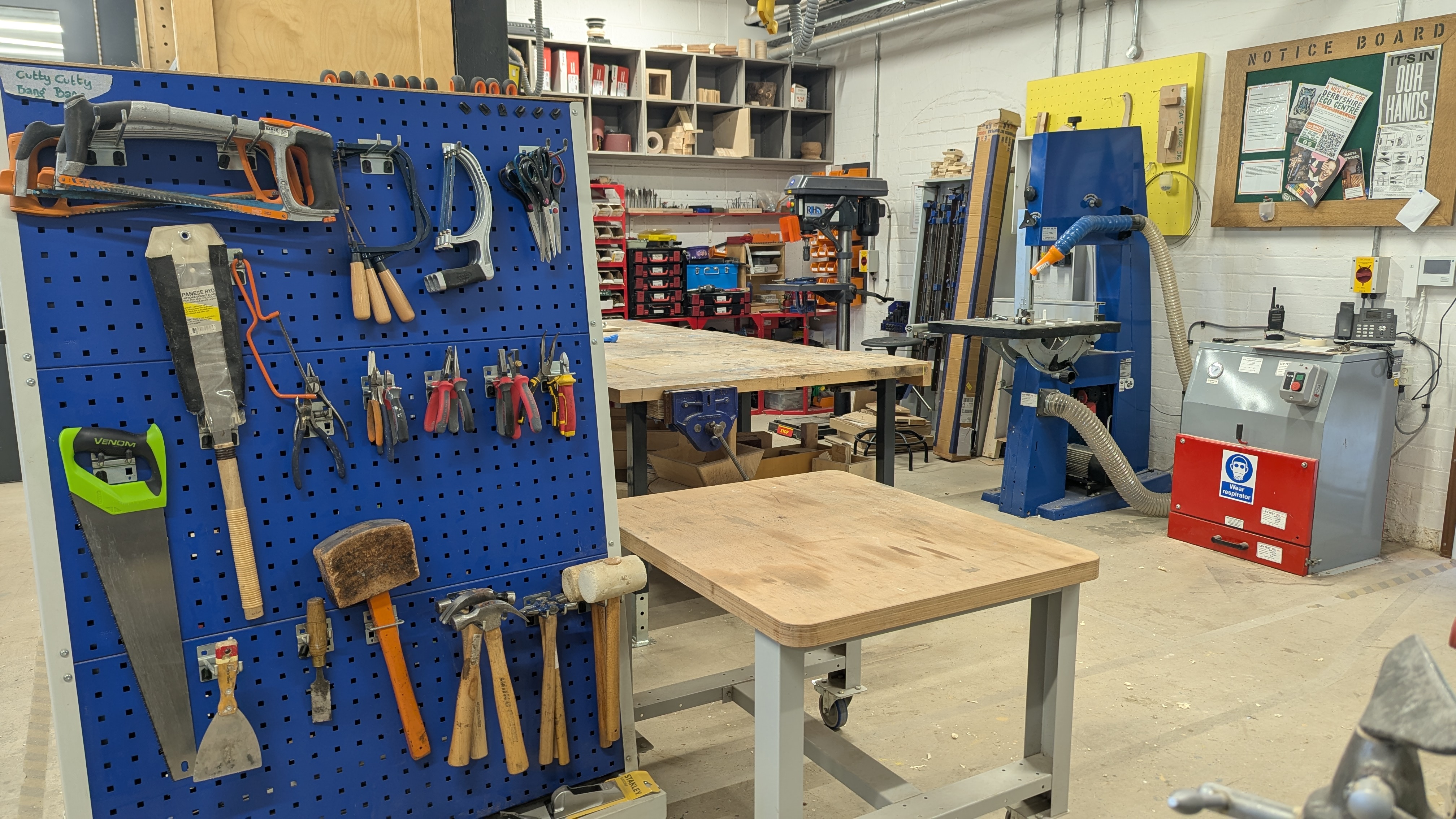
Interested in using the Workshop?
Become a Workshop Maker
Upcoming Courses:
- Introduction to Woodturning | 26th April
- Green Spoon Carving | 26th April
- Cookie Cutters: An Intro to Tinsmithing | 27th June
- Milk Bottle Mallets | 8th August
- Intro to Dovetails: Mobile Phone Stand | 10th June (coming soon)
- Eco Upholstery Footstool | 13th June (coming soon)
Along with the blog, we are launching a Workshop Newsletter!
The newsletter is a shorter version of our blog in your inbox that will keep you updated.
Subscribe here